GENEVA - The Democratic Republic of the Congo's Ebola outbreak has surpassed 11,000 confirmed cases six months after it began, as medical teams warn that infections are still being missed and essential resources are not consistently reaching the front line.
The European Centre for Disease Prevention and Control reported 11,042 confirmed cases and 5,387 deaths in Congo as of November 10, using national data through the previous day. That makes the outbreak the country's largest and deadliest and the second-largest Ebola epidemic recorded anywhere.
Medecins Sans Frontieres, also known as Doctors Without Borders, said Thursday that transmission remained out of control in parts of the country. The organization warned that weak case detection, infections inside health facilities and delayed support for local responders were sustaining the spread.
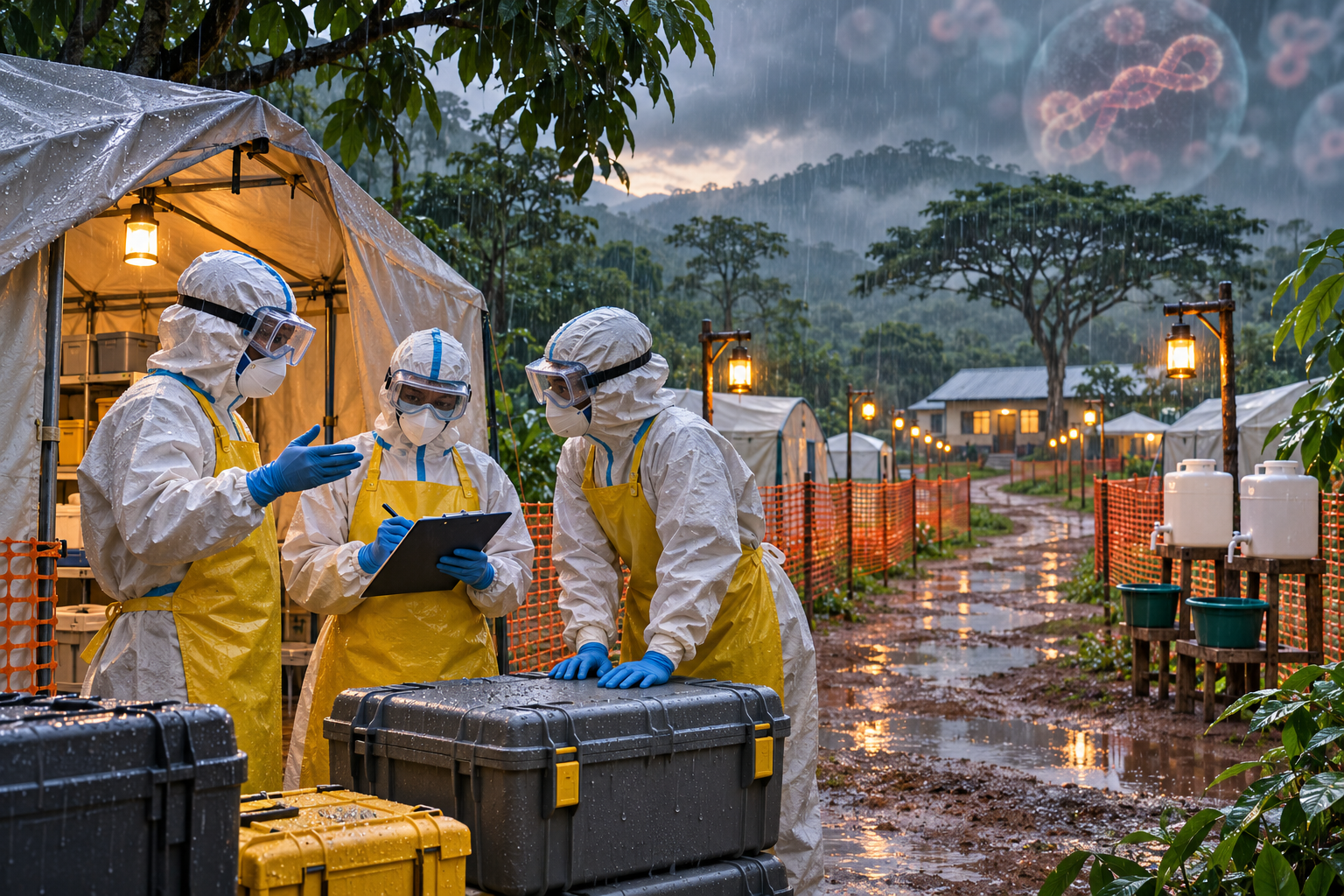
Nearly two-thirds of reported Ebola deaths during the past month occurred in communities rather than treatment centers, MSF said. Community deaths are a warning sign because they can indicate that sick people were never identified, isolated or connected to care.
In some areas, only a small share of patients had previously been listed as contacts of known cases. MSF also reported heavy transmission inside health facilities in parts of North Kivu, where shortages of trained staff and infection-control supplies make ordinary medical care dangerous.
The World Health Organization said in its November 3 update that the Bundibugyo virus had reached 67 health zones in eight Congolese provinces, with active transmission in 51. At that point, the agency had recorded 10,668 confirmed cases and 5,198 deaths, a crude fatality rate of almost 49 percent.
More recent figures show the total continuing to rise. WHO Director-General Tedros Adhanom Ghebreyesus told member states Wednesday that the outbreak remained a public-health emergency of international concern and acknowledged delays in paying health workers as well as gaps in staffing and supplies.
The epidemic began in May and has produced imported or linked cases outside Congo. Kenya reported nine cases, including two deaths, according to WHO. Uganda ended its outbreak in August after 42 days without a new confirmed case, showing that transmission can be stopped when contacts are traced and infection controls hold.
Congo's response is complicated by armed violence in the east. MSF said an attack in North Kivu last week killed civilians and health workers, while other armed groups have disrupted access to affected communities. Treatment teams cannot trace contacts or operate safely when roads, clinics and staff are under attack.
Vaccination, isolation and supportive care remain important tools, but they depend on trust and speed. Families who fear treatment centers or cannot reach them may care for relatives at home, increasing exposure during illness and burial.
A preventable disaster is becoming normal
Ebola is a dangerous virus, but this scale of loss is not inevitable. The world has vaccines, diagnostic tools, protective equipment and hard-earned experience from earlier outbreaks. The central failure is delivering those tools consistently where transmission is occurring.
Large funding announcements mean little if nurses are unpaid, clinics lack basic supplies or contact tracers cannot travel. Every delay produces more hidden chains of infection. By the time a patient arrives at a treatment center, an entire household or waiting room may already have been exposed.
The outbreak also shows why local security is part of global health security. Armed groups do not need to design a biological weapon to create international danger. Attacking a clinic, displacing a village or blocking a road can give a lethal virus the time and movement it needs.
Wealthy democracies should resist donor fatigue. Supporting Congo is not charity detached from national interest. An uncontrolled epidemic threatens neighboring states, international travel and already fragile health systems. Prevention abroad is cheaper, safer and more humane than emergency containment after wider spread.
Assistance should be tied to measurable delivery: health workers paid on time, protective supplies verified at facilities, contacts reached each day and independent reporting from areas where official surveillance is weak. Congolese authorities and international agencies must make those results visible.
Community leaders also need a real role. Outsiders arriving in protective suits can appear frightening, especially where governments and armed actors are distrusted. Local clinicians, faith leaders and survivors are often better able to explain symptoms, vaccination and safe burial practices.
The grim reality is that a known disease is killing thousands while effective tools exist. Congo's conflict and geography make containment difficult, but difficulty is not an excuse for accepting failure. The next phase must be judged by whether resources reach the people facing the virus, not by how much money institutions say they mobilized.
Comments
Loading comments…