

A growing body of nutritional guidance suggests that the order in which foods are eaten during meals could play a role in blood sugar control and overall health. Health experts are increasingly recommending a strategy known as “meal sequencing,” where vegetables and protein are consumed before carbohydrates.
The approach is based on the idea that starting meals with fiber-rich vegetables and protein may slow digestion and reduce rapid spikes in blood glucose levels after eating. Researchers and nutrition specialists say this could be especially beneficial for people living with type 2 diabetes, prediabetes, or those attempting to manage weight.
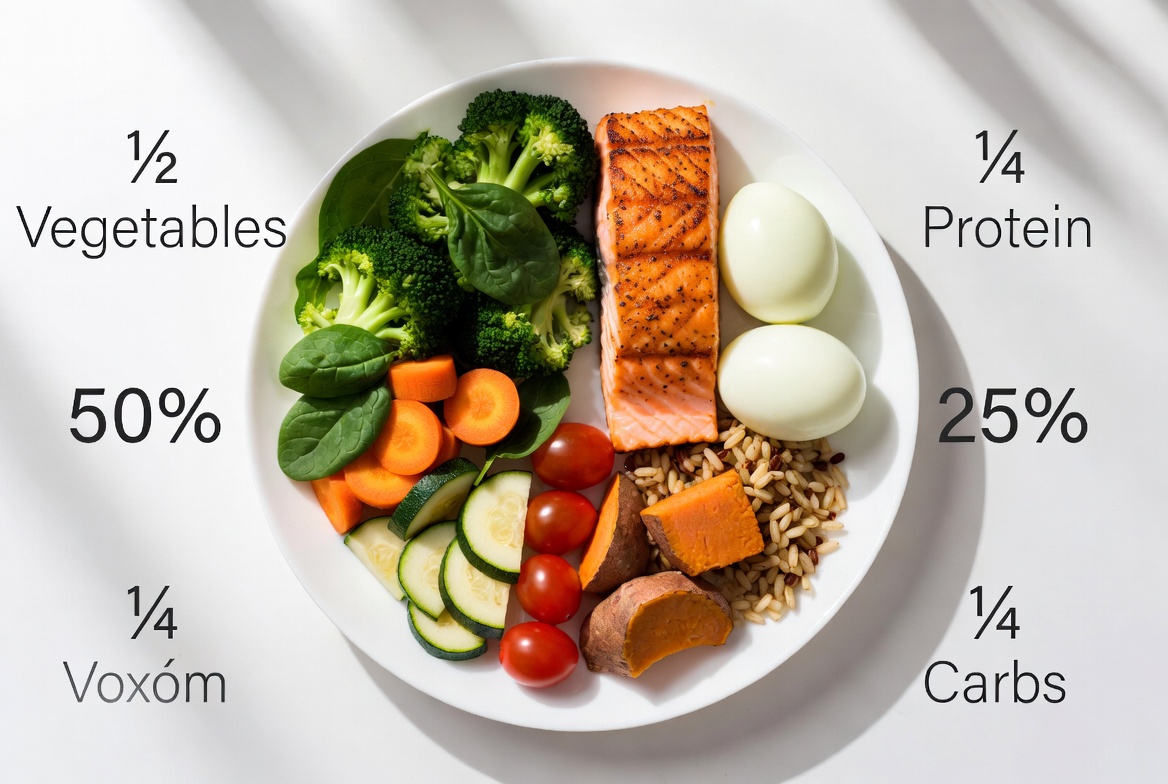
Meal sequencing typically involves eating non-starchy vegetables first, followed by protein sources such as fish, eggs, or lean meat, while carbohydrate-rich foods including bread, rice, pasta, and potatoes are eaten last.
Experts suggest that the strategy may improve feelings of fullness, potentially helping individuals consume fewer calories overall. Increased satiety after meals has long been associated with better weight management and healthier eating patterns.

Nutrition professionals emphasize that meal sequencing should not be viewed as a strict rule but rather as a practical guideline. In everyday situations, mixed dishes such as sandwiches, stir-fries, or grain bowls may make following a specific order difficult.

For balanced meals, health specialists commonly recommend dividing plates into portions consisting of approximately half non-starchy vegetables, one-quarter protein, and one-quarter carbohydrates.
Examples of the approach may include eating a vegetable omelet before toast at breakfast, starting lunch with a salad before moving to a sandwich, or consuming vegetables and protein before rice or pasta at dinner.
While early findings and expert recommendations indicate potential benefits, individual responses may differ depending on metabolism, health conditions, and existing dietary habits. Specialists note that meal sequencing should complement broader healthy lifestyle practices rather than replace medical advice or treatment plans.
As interest in personalized nutrition continues to grow, simple behavioral changes such as altering food order may become an increasingly discussed strategy for improving metabolic health.
Comments
Loading comments…