
TEHRAN, Iran - The new head of Iran's top security body warned Sunday that Tehran would treat another country's support for planned U.S. economic measures as an "act of war," escalating pressure on Gulf neighbors before Washington unveils a new sanctions campaign.
Mohsen Rezaei, secretary of Iran's Supreme National Security Council, issued the warning on social media after a lengthy interview with Iranian state television. He said countries joining what Tehran calls an American economic war would be regarded as enemies and threatened retaliation against their interests.
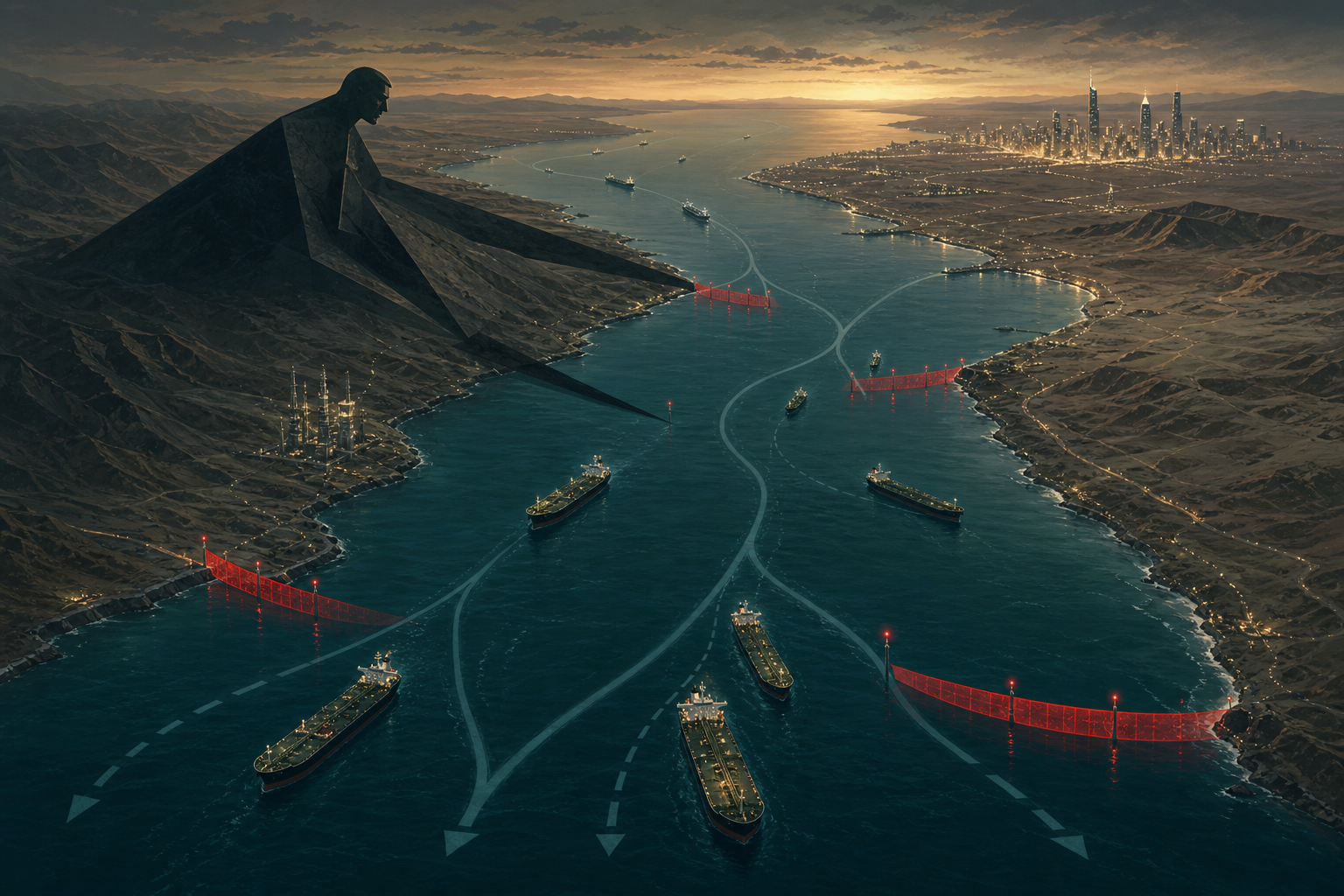
Rezaei also said Iran could target oil-export routes that bypass the Strait of Hormuz. Those alternatives are strategically important to Gulf producers seeking to reduce their dependence on the narrow waterway. In his televised remarks, he promised a "seismic" response if President Donald Trump moved against Iran and said American commercial interests in the region could also be targeted.
The comments came as U.S. Treasury Secretary Scott Bessent was expected to announce new measures Monday. The Trump administration has described the coming effort as an unprecedented campaign to isolate Iran's economy and has pressed other governments to stop providing Tehran with financial and trade lifelines.
Rezaei is a former commander of the Islamic Revolutionary Guard Corps and a military adviser to Supreme Leader Ayatollah Mojtaba Khamenei. His appointment this month was part of a broader leadership reshuffle widely viewed as strengthening hard-line influence over Iran's security policy.
Iranian President Masoud Pezeshkian offered a different emphasis Sunday. He defended a memorandum signed with the United States in June as the best route out of the current condition between war and peace. The agreement opened a 60-day period for talks over the conflict and Iran's nuclear program, but that window ended last week without a visible breakthrough.
The Strait of Hormuz remains the central source of leverage and danger. A substantial share of the world's oil and gas trade normally moves through the passage, while Iran sits along its northern shore. Even threats against alternative pipelines, ports and sea lanes can raise insurance costs, alter shipping decisions and force neighboring governments to calculate whether cooperation with Washington could expose their infrastructure.
That is the purpose of Rezaei's language. Iran may not need to carry out every threat for the threat itself to influence behavior. By declaring neutral countries potential enemies, Tehran is trying to make participation in U.S. pressure appear more dangerous than continued economic engagement with the Islamic Republic.
The tactic also reveals the coercive logic of an authoritarian security state. Neighboring countries have their own interests and sovereign choices. Threatening their ports, companies or energy routes because they support American policy is not diplomacy; it is an attempt to replace persuasion with fear.
Washington should not dismiss that danger, but neither should it allow threats to fracture cooperation. The stronger approach is a transparent coalition with clearly defined sanctions, humanitarian safeguards and enforceable consequences for evasion. Economic pressure that appears improvised or unlimited can alienate partners and burden ordinary Iranians without changing the calculations of the officials who control the system.
The United States also needs credible military deterrence around bases and civilian shipping without turning every provocation into an automatic path to escalation. Defensive coordination, intelligence sharing and protection for maritime commerce can deny Tehran the assumption that each neighbor must face retaliation alone.
Pezeshkian's support for continued diplomacy shows that Iran's leadership is not speaking with only one public tone. But the security chief's threats cannot be treated as theater. When a senior official identifies commercial routes and neighboring interests as possible targets, governments and companies must plan for the possibility that coercion will move from words to action.
The immediate test comes with Washington's announcement and the response of regional states. The deeper test is whether pressure can produce a serious negotiation without rewarding Iran's effort to hold global trade hostage. No country is entitled to turn a strategic waterway into a veto over the independent decisions of its neighbors.
Comments
Loading comments…