
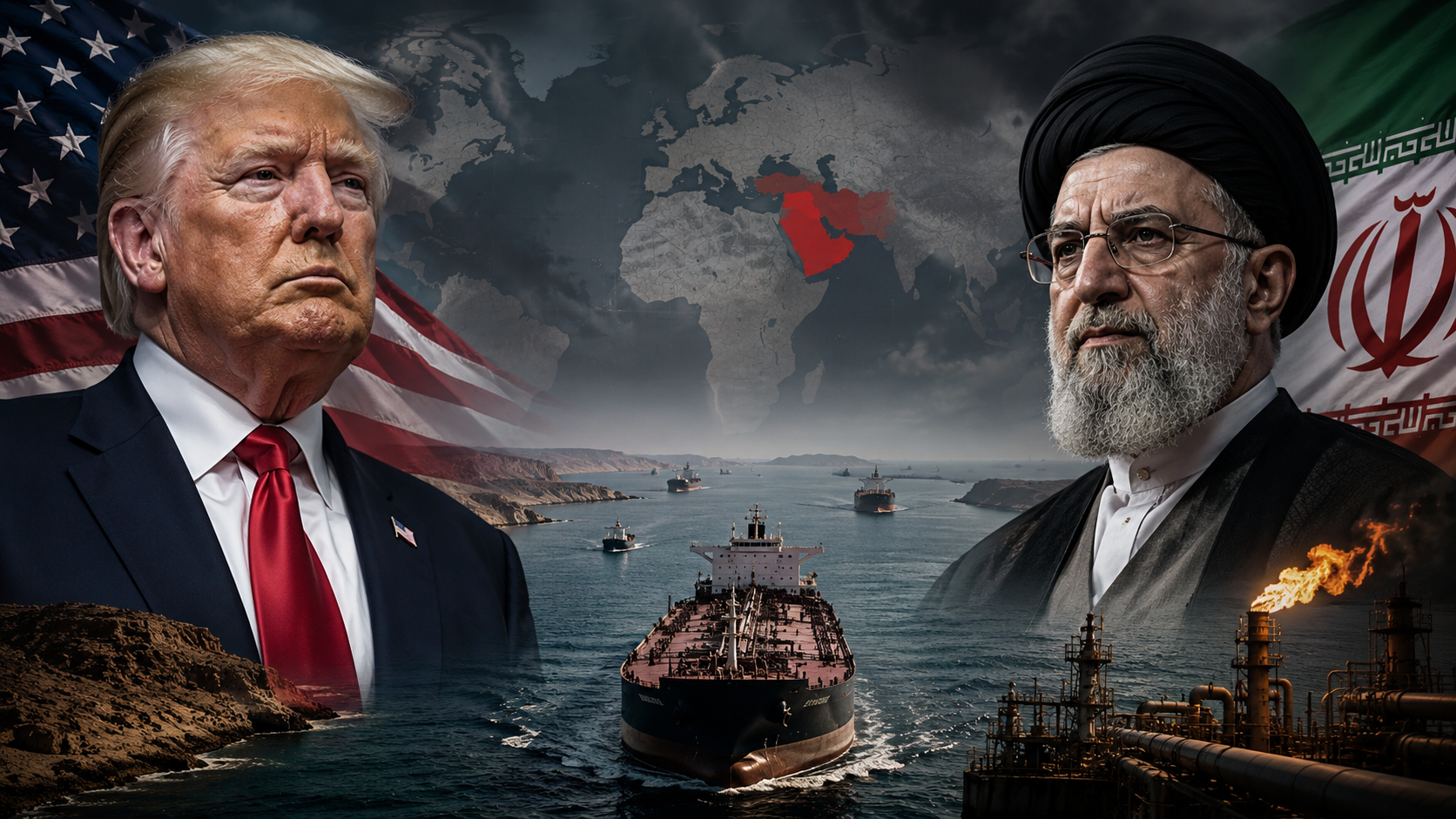
President Donald Trump is weighing a possible agreement with Iran that could extend the current ceasefire and reopen the Strait of Hormuz, a key shipping route for global oil supplies.
The proposal under discussion is understood to include several major conditions: reopening shipping traffic in the Strait of Hormuz, extending the ceasefire, lifting pressure around Iranian ports and starting deeper talks on Iran’s nuclear programme. Trump has also made clear that any agreement must prevent Iran from obtaining a nuclear weapon.
The White House Situation Room meeting ended without a public confirmation that a final decision had been made. A White House official said Trump would only accept an agreement that is good for the United States and meets his red lines.
Vice President JD Vance said the two sides are not there yet, but suggested that negotiations are close. Iran-linked media has pushed back against some claims around the possible deal, saying no agreement has been finalised or confirmed.
The Strait of Hormuz remains the biggest pressure point. The waterway is one of the world’s most important oil routes, and continued disruption could increase fuel-security risks, market pressure and wider economic uncertainty.
Markets responded positively to signs that a temporary settlement may be possible, with stocks gaining and oil prices easing as investors watched for progress in the talks.
For now, no final deal has been announced. The situation remains highly sensitive, with the next major question being whether Trump will approve the proposed agreement or keep military and economic pressure on Iran.
A deal to reopen the Strait of Hormuz would likely calm oil markets and reduce the risk of wider conflict. However, the nuclear issue remains unresolved, meaning any agreement may only be a temporary pause rather than a lasting settlement.
Comments
Loading comments…